

Sewers are the hidden backbone of modern life, quietly transporting wastewater and sewage away from homes and businesses. Without them, our daily routines would quickly grind to a halt. However, over time, these systems deteriorate, leading to blockages, leaks, and potentially disastrous flooding, making timely sewer repairs essential to maintain functionality.
The Environmental Protection Agency (EPA) reports that the average American household uses over 80 gallons of water per person each day, all of which flows through the sewer system. When this system breaks down, the result is not only inconvenient but costly and disruptive. That’s why it’s crucial to understand how sewers work, why they need repairs, and how to catch potential problems before they escalate.
What Are Sewers?
Sewers are underground pipes that transport wastewater and sewage from homes and businesses to treatment plants. These pipes are typically made of materials such as concrete, clay, or plastic.
Their size depends on the amount of wastewater they must carry. There are two primary types of wastewater systems: stormwater systems, which handle rainwater runoff, and raw sewage systems, which handle wastewater from kitchens, bathrooms, and toilets.
Sewers may be gravity-fed or pumped, depending on the land’s slope and the distance to the treatment plant. As a homeowner, you’re responsible for the section of the sewer pipe that runs under your property. If you experience any issues with your sewer line, a professional plumbing service can help you manage the repair or replacement process.
Why Do Sewers Need Repairs?
Sewers can deteriorate over time due to several factors, including age, extreme weather conditions, root intrusion, and shifting soil. These issues can lead to blockages, leaks, and sewage backup problems that no homeowner wants to face. Sewer repairs are crucial for restoring your plumbing system’s function and preventing more severe issues down the road. Addressing these problems early can save you from expensive repairs and headaches in the future.

Sewer Repairs
There are various methods for repairing sewer lines, each depending on the severity of the issue. Here are the most common sewer repair techniques:
1. Patching:
If a sewer pipe has small cracks or holes, patching can be an effective solution. This process involves applying a resin patch to the damaged area. It’s quick and relatively inexpensive, making it ideal for minor damage.
2. Lining:
For cracks or corrosion, lining is a great option. A flexible liner is inserted into the pipe and inflated, creating a new pipe inside the old one. This method is less invasive than excavation and is cost-effective for many types of damage.
3. Excavation:
For severe damage, such as collapsed pipes or root intrusion, excavation may be necessary. This process involves digging up the damaged section of pipe and replacing it with a new one. While it’s the most invasive and costly solution, it’s often the only option for extensive damage.

Sewer Inspections
Routine sewer inspections are vital for identifying problems before they worsen. Here are some common methods used to inspect sewer lines:
1. CCTV Inspection:
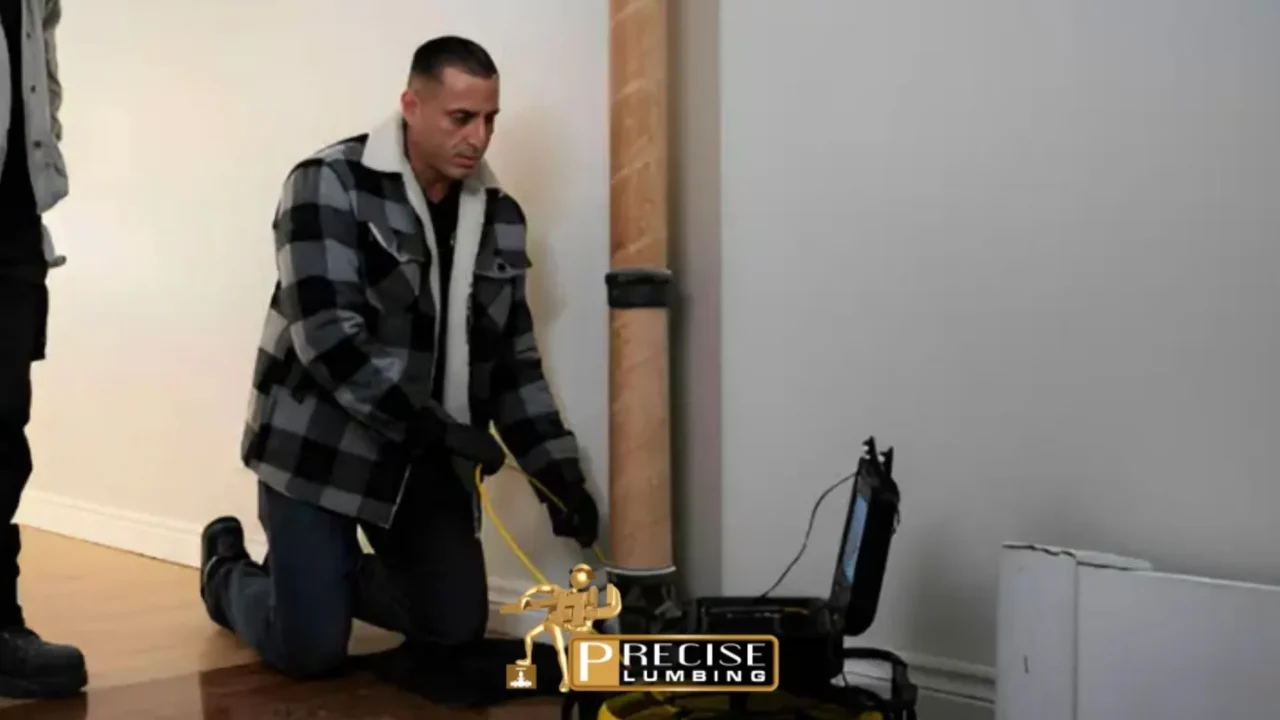
A camera is inserted into the pipe to provide a live view of the interior. This method helps identify blockages or cracks and is a low-cost way to avoid costly repairs later on.
2. Smoke Testing:
Smoke is pumped into the sewer line to help locate leaks. This method is quick and effective for detecting cracks and breaks.
3. Hydro Jetting:
High-pressure water is used to clean out debris, grease, and other obstructions inside the pipes. This is a preventative measure that can keep your system flowing smoothly and reduce the risk of future blockages.
If you haven’t had a sewer inspection in a while, it’s wise to schedule one soon. Regular inspections can save you from unexpected and costly sewer emergencies.
Sewer Replacements
When sewer pipes reach the end of their lifespan or are severely damaged, replacement becomes necessary. Replacing a sewer pipe involves digging up the old pipe and installing a new one. Here are some materials commonly used for sewer pipe replacements:
1. PVC:
PVC pipes are lightweight, durable, and resistant to corrosion, making them an excellent option for sewer replacements.
2. Clay:
Clay pipes are long-lasting, often up to 100 years, but they can collapse if the soil around them shifts too much.
3. Cast Iron:
Cast iron pipes are heavy-duty and ideal for high-traffic areas. Like clay, they can last for a century when properly maintained.
Sewer replacements are a significant investment, but they can improve the overall efficiency of your plumbing system and prevent future issues.
Keep Your Sewer System in Top Condition
Sewers are an integral part of our homes and businesses. Regular inspections and timely repairs are essential to avoid costly disruptions, such as sewage backups and flooding. By understanding the importance of sewer maintenance and taking action early, you can ensure that your plumbing system runs smoothly for years to come. If you’re experiencing issues or need a sewer inspection, contact a professional plumbing service in your area to get your system checked and repaired.
Frequently Asked Questions About Sewers
How do I know if my sewer needs repair?
If you notice frequent backups, slow drains, foul odors, or wet spots in your yard, these could indicate sewer problems. A professional inspection can help identify any issues before they become serious.
What is the average cost of sewer repairs?
The cost of sewer repairs varies depending on the type of repair needed. Simple patching can cost a few hundred dollars, while excavation and pipe replacement can cost thousands. It’s important to get a quote from a professional plumber before proceeding.
How long do sewer pipes last?
The lifespan of sewer pipes depends on the material used. PVC pipes can last up to 100 years, while clay and cast iron pipes also have long lifespans but can be susceptible to collapse if the soil shifts. Regular inspections can help extend the life of your pipes.
Can I fix a sewer line myself?
Sewer line repairs typically require professional expertise and equipment. While minor issues like clogs can be handled with a plunger or drain cleaner, complex repairs like pipe replacement or lining should be left to professionals.
How often should I inspect my sewer lines?
It’s a good idea to have your sewer lines inspected every 2-3 years to catch potential issues early. If your home is older or you’ve noticed signs of problems, consider getting an inspection sooner.
What should I do if I experience a sewer backup?
If you have a sewer backup, avoid using any water in the house, as it could make the situation worse. Call a plumber immediately to assess the damage and prevent flooding or further damage to your home.