
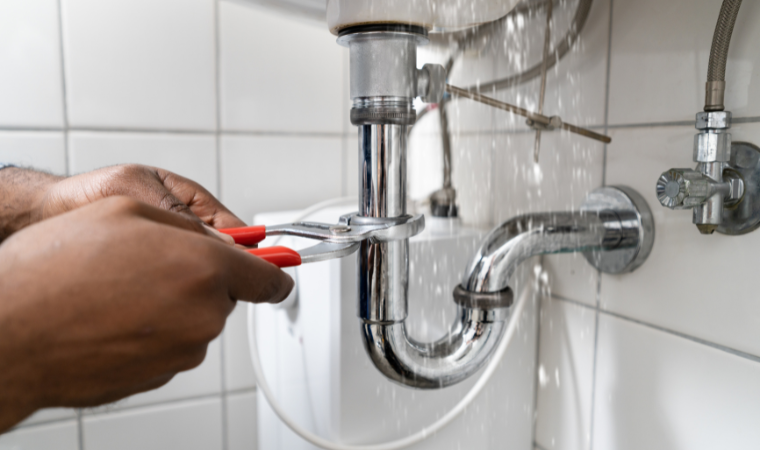
A faucet of hot water leaking in a tub is not that irritating. That slow drip is so inefficient in conserving water, and it increases the utility bills and it causes an additional burden on the plumbing system. Luckily, the majority of the leaks in faucets can be located to a couple of general problems and fixed with the proper action.
Why Is Hot Water Leaking from a Tub Faucet?
If you notice hot water dripping even when the faucet is turned off, it usually points to worn or faulty parts inside the fixture. Common causes include:
- Worn Washer or O-Ring: Over time, washers and O-rings degrade, preventing a watertight seal.
- Damaged Cartridge or Stem: Modern faucets use cartridges or stems that regulate water flow; when damaged, they allow leaks.
- Mineral Buildup: Hard water deposits can corrode faucet parts and interfere with proper sealing.
- High Water Pressure: Excessive pressure accelerates wear and may cause leaks through the tub spout.
Identifying the source helps determine whether a simple repair or full replacement is needed.
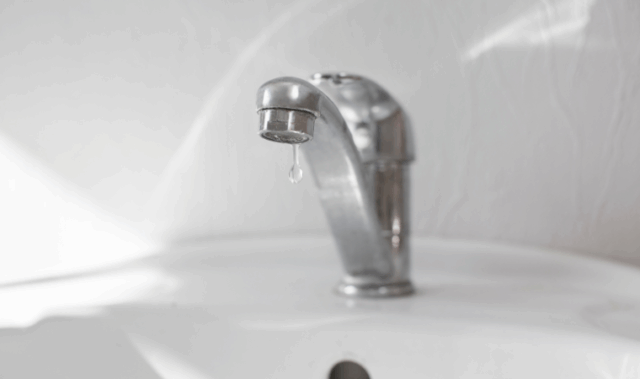
Risks of Ignoring a Leaking Faucet
Leaving hot water leaking from tub faucet can lead to bigger problems, such as:
- Higher Utility Bills: A single dripping faucet can waste gallons of hot water each day, increasing both water and energy costs.
- Water Damage: Continuous dripping may stain or damage the tub surface and surrounding areas.
- Wear on the Water Heater: Constant hot water flow forces your heater to work harder, shortening its lifespan.
Fixing a leak promptly saves money and prevents long-term damage.
How to Fix a Tub Faucet Leak
While professional help is always an option, many homeowners can handle this repair themselves with basic tools.
Step 1: Turn Off the Water Supply
Shut off water to the bathroom using the valves behind the access panel or at the main supply line.
Step 2: Remove the Faucet Handle
Use a screwdriver or Allen wrench to remove the handle and expose the cartridge or stem assembly.
Step 3: Inspect the Cartridge or Stem
Check for visible wear, cracks, or buildup. If it’s damaged, replace it with a new part specific to your faucet model.
Step 4: Replace Washers or O-Rings
If the washers or O-rings are worn, swap them out for fresh ones to restore the seal.
Step 5: Reassemble the Faucet
Put everything back together, turn the water supply on, and test for leaks.
If the faucet continues to drip, a full replacement may be necessary.
When to Call a Professional
If you’ve tried replacing washers or cartridges but the leak persists, or if the plumbing connections behind the wall are the problem, it’s best to call a licensed plumber. Professional repair prevents hidden damage and restores proper water flow.

Preventing Future Leaks
To avoid dealing with hot water leaking from tub faucet again, consider these preventative tips:
- Inspect and replace faucet parts every few years.
- Install a water softener in hard-water areas to reduce mineral buildup.
- Monitor your home’s water pressure to prevent excess strain.
- Fix minor drips early before they worsen.
Final Thoughts
Leakage of hot water in tub faucet is a waste of resources, and in the long run it may ruin your plumbing system. Luckily, having the appropriate strategy whether you do it by yourself or get a professional you can prevent the leak and achieve efficiency once again. Not only is it cheaper but you will also be saving the life of your faucet and water heater by acting fast.