
Calcium deposits, also known as limescale, are a common problem in areas with hard water. These chalky white or sometimes yellowish stains form on faucets, showerheads, tiles, glass doors, and even inside appliances like kettles and dishwashers. They look unattractive and can also restrict water flow while shortening the lifespan of plumbing fixtures. Fortunately, learning how to clean calcium buildup is simple once you know the right techniques and products to use.
What Causes Calcium Buildup?
Calcium and magnesium are naturally present in hard water. When water evaporates, it leaves behind these minerals as a crusty layer. Over time, the deposits harden, becoming more difficult to remove. The problem is especially noticeable in bathrooms and kitchens where water frequently sits on surfaces.
Common areas affected include:
- Faucet spouts and handles
- Showerheads and tiles
- Glass shower doors
- Toilets, sinks, and tubs
- Inside kettles, coffee makers, and dishwashers
Why Calcium Buildup Shouldn’t Be Ignored
While limescale is not harmful to health, it does create several issues:
- Clogs water flow: Deposits narrow the openings in showerheads and faucet aerators.
- Reduces efficiency: Appliances like water heaters and dishwashers work harder when scale builds inside.
- Causes damage: Over time, thick layers can corrode surfaces or stain fixtures permanently.
- Looks unsightly: White streaks on shiny chrome or glass make bathrooms look dirty even after cleaning.
Dealing with buildup early prevents long-term problems and saves money on repairs or replacements.
Household Methods for Removing Deposits
Vinegar Soak
White vinegar is one of the most effective natural cleaners for mineral buildup.
- wet a cloth or paper towel in vinegar.
- Wrap it around the affected area, such as a faucet or showerhead.
- Leave it for 30–60 minutes.
- Gently scrub with a toothbrush, then wash thoroughly with warm water.
Lemon Juice
Lemon juice works similarly to vinegar because it contains citric acid. It’s especially useful for visible surfaces like tiles and glass.
- Rub half a lemon directly on the stains.
- Let the juice sit for a few minutes.
- Wash thoroughly with water and dry using a soft cloth.
Baking Soda Paste
For stubborn stains:
- Combine baking soda with a small amount of water to make a paste.
- Apply the paste to the buildup.
- Scrub with a non-abrasive sponge and rinse.
How to Clean Calcium Buildup on Different Surfaces
Faucets and Showerheads
Detach removable parts if possible and soak them in vinegar overnight. For fixed fixtures, tie a vinegar-filled plastic bag around the spout and leave it in place for a few hours.
Tiles and Glass
Spray equal parts vinegar and water on tiles and glass doors for easy cleaning. Wipe using a microfiber cloth to achieve a streak-free finish.
Toilets
Pour vinegar or a commercial descaling cleaner into the bowl. Let it sit for at least an hour before scrubbing with a toilet brush.
Appliances
Run a vinegar cycle in kettles, coffee machines, or dishwashers. Rinse thoroughly afterward to remove any lingering smell.
How to Clean Calcium Buildup for Long-Term Maintenance
Once you remove existing deposits, preventing new ones is the key:
- Wipe down wet surfaces after showers or dishwashing.
- Use a water softener system if hard water is a constant issue.
- Install faucet and shower filters to trap minerals.
- Clean fixtures weekly with vinegar spray to stop buildup from hardening.
When to Use Commercial Cleaners
If natural methods don’t fully remove thick limescale, commercial descaling products may be necessary. Choose ones labeled safe for your specific surface, such as chrome, glass, or ceramic. Always follow manufacturer instructions and wear gloves for protection.
When to Call a Professional
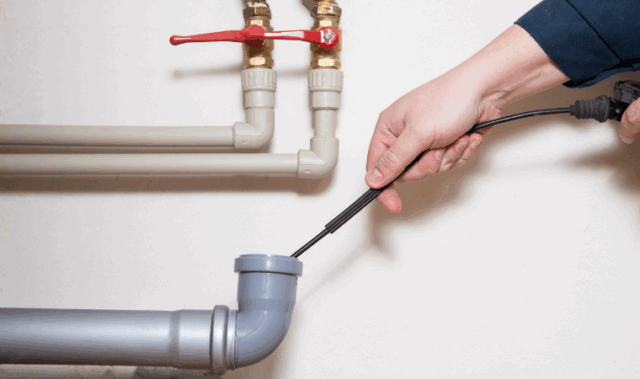
If buildup has caused reduced water pressure, clogged pipes, or appliance inefficiency, a plumber or appliance technician may be needed. Professionals use stronger descaling solutions or specialized tools to restore function.