
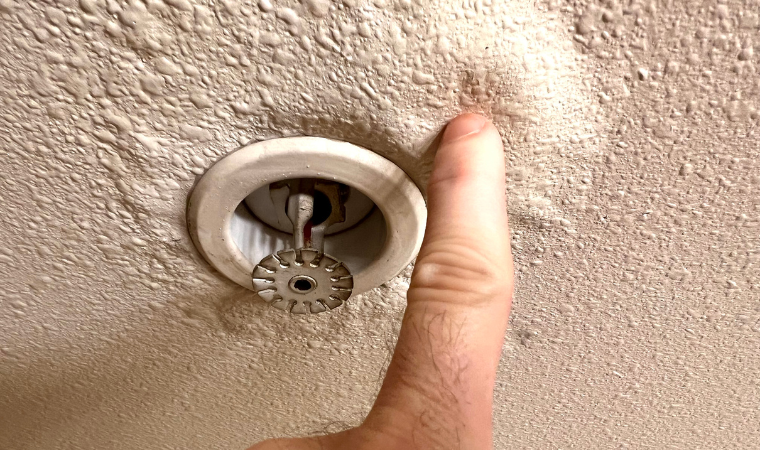
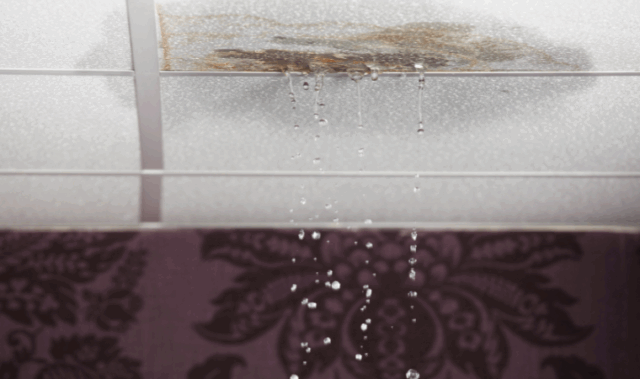
Discovering water stains or dripping from your ceiling after someone takes a shower upstairs can be alarming. A shower leaking into ceiling downstairs is not just inconvenient; it can lead to costly repairs if not addressed quickly. Water leaks often cause structural damage, mold growth, and weakened drywall, so understanding the cause and solution is essential.
Common Causes of a Shower Leaking into Ceiling Downstairs
Several issues can lead to water seeping through the ceiling from an upstairs bathroom:
1. Damaged or Missing Grout and Caulk
Cracks in the grout or gaps in the caulk around tiles, tubs, or shower doors can allow water to seep through walls and floors. Over time, this moisture penetrates and shows up as stains on the ceiling below.
2. Leaking Drain Assembly
The drain under the shower pan can loosen or develop cracks in its seal. Even a small leak here can result in water dripping into the ceiling cavity.
3. Faulty Shower Pan or Liner
A damaged shower pan or improperly installed liner can let water escape during use. These issues often require professional repair or replacement.
4. Plumbing Pipe Leaks
The pipes supplying water to the shower may have loose connections or cracks. Because these pipes are hidden in walls and floors, identifying the exact source often requires cutting into the ceiling or wall.
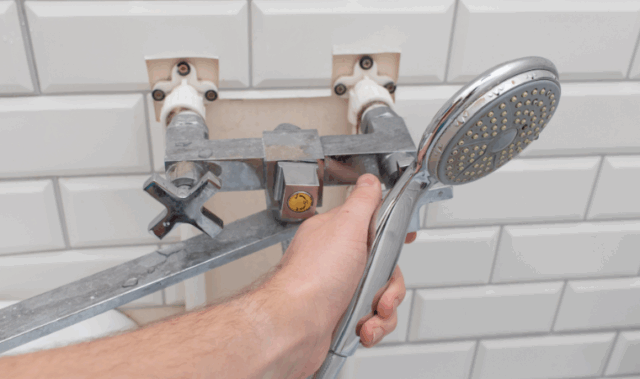
5. Loose or Broken Fixtures
A leaking shower faucet or poorly sealed showerhead connection can cause water to run behind the wall and eventually show up downstairs.
How to Diagnose the Problem
- Visual Inspection: Start by checking grout, caulking, and shower doors for visible damage.
- Water Test: Plug the drain and fill the shower base with a few inches of water. If the leak appears downstairs without running the shower, the issue is likely with the drain or pan.
- Run the Shower: Turn on the shower and observe. If the leak starts only when the shower is in use, the problem may be plumbing-related.
- Check Surrounding Areas: Inspect nearby fixtures like sinks, bathtubs, or toilets, as leaks can sometimes spread from adjacent areas.
Fixing a Shower Leak into the Ceiling
1. Reseal Grout and Caulking
Remove old, cracked caulk and reapply waterproof caulking around tiles and shower seams. Regrout any deteriorated areas between tiles to prevent water penetration.
2. Repair or Replace Drain Components
Tighten the shower drain assembly and replace gaskets or seals if worn. If the drain body is damaged, a plumber may need to install a new one.
3. Address Plumbing Issues
For pipe leaks, you’ll need to shut off the water supply, access the pipes behind the wall or ceiling, and repair or replace the damaged sections.
4. Replace a Damaged Shower Pan
If the pan or liner is faulty, professional replacement is usually required since it involves removing tiles and flooring.
5. Repair Ceiling Damage
Once the leak is resolved, remove water-damaged drywall and insulation to prevent mold growth. Replace it with new drywall, prime, and repaint the ceiling.
Preventing Future Leaks
- Regularly inspect and maintain caulking and grout.
- Avoid using harsh cleaners that erode seals.
- Schedule periodic plumbing inspections to detect hidden leaks early.
- Install a high-quality shower pan liner during renovations.
Final Thoughts
A shower leaking into the ceiling downstairs is a warning sign that should never be ignored. While minor issues like worn caulking can often be fixed with DIY solutions, major problems such as damaged shower pans or leaking pipes typically require professional help. Prompt action will prevent further water damage, save repair costs, and protect your home’s structural integrity.