
Every home relies on a main water supply line that delivers water for drinking, cleaning, and daily tasks. At the heart of this system is the shut off valve, a small but essential device that allows you to control the flow of water into your property. Whether you’re dealing with plumbing repairs, an emergency leak, or routine maintenance, knowing about water main shut off valve types helps you act quickly and avoid damage.
Why the Main Shut Off Valve Matters
In plumbing emergencies, the shut off valve is your first line of protection. A quick turn can stop burst pipes or leaks from flooding your home. Beyond emergencies, the valve is also important when replacing fixtures, upgrading appliances, or performing seasonal maintenance. Choosing the right valve type can make operation easier and provide long-term reliability.
Common Water Main Shut Off Valve Types
1. Gate Valve
A gate valve is one of the oldest and most traditional styles. Inside the valve is a metal gate that moves up and down to maintain the water flow.
- Pros: Durable and widely available.
- Cons: Can become stuck over time if not used regularly. Turning the handle often requires several full rotations.
2. Ball Valve
Ball valves use a rotating ball with a hole through the center. When the handle is aligned with the pipe, water flows. A quarter turn closes it completely.
- Pros: Quick to operate with a simple quarter turn. Highly reliable and resistant to wear.
- Cons: Usually larger than gate valves, requiring more installation space.

3. Globe Valve
Globe valves control flow with a plug that lowers into a seat. They are more commonly used for fixtures than main lines but sometimes appear on water mains.
- Pros: Allow partial flow control.
- Cons: More resistance inside the valve reduces efficiency for high-demand systems.
4. Stop and Waste Valve
This type of valve is common in colder climates. In addition to shutting off water, it includes a small port that lets you drain water from the line to prevent freezing.
- Pros: Excellent for outdoor or seasonal plumbing systems.
- Cons: Slightly more complex design and less common in warm climates.
5. Butterfly Valve
Butterfly valves have a rotating disc inside the pipe. Turning the handle rotates the disc to block or allow flow.
- Pros: Compact and lightweight.
- Cons: Not as durable or leak-resistant as ball valves for residential systems.
How to Identify Your Valve
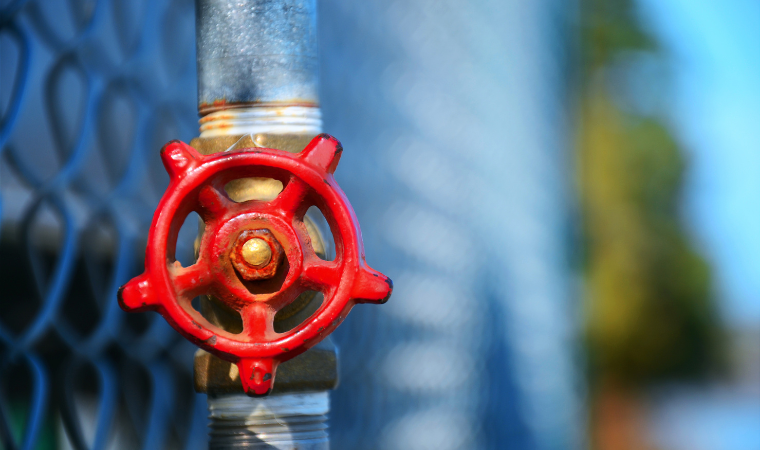
Most homes have either a gate valve or a ball valve near the point where the main water line enters. Gate valves usually have a round wheel-style handle, while ball valves feature a straight lever handle. If your valve requires multiple turns to shut off, it’s likely a gate valve. If it closes with a single quarter turn, it’s a ball valve.
Choosing Between Water Main Shut Off Valve Types
Each style has its place, but for most modern homes, the ball valve is the preferred choice because it is reliable, easy to operate, and shuts off water instantly. Gate valves are still common in older properties but may need replacement if they stick or fail to seal completely. For homes in cold areas, stop and waste valves are useful for preventing frozen pipes.
Maintenance Tips for Valves
- Check your main shut off valve yearly to confirm it still functions correctly.
- Apply gentle pressure; forcing a stuck valve may break it.
- Keep the area around the valve accessible for emergencies.
- If your valve is corroded, leaking, or hard to operate, consider replacing it with a ball valve.
When to Call a Professional
If you cannot locate your shut off valve, or if the valve won’t turn properly, a plumber can help. Professionals can also replace outdated valves with newer, more reliable styles. In older homes, upgrading from a gate valve to a ball valve provides better safety and convenience.