
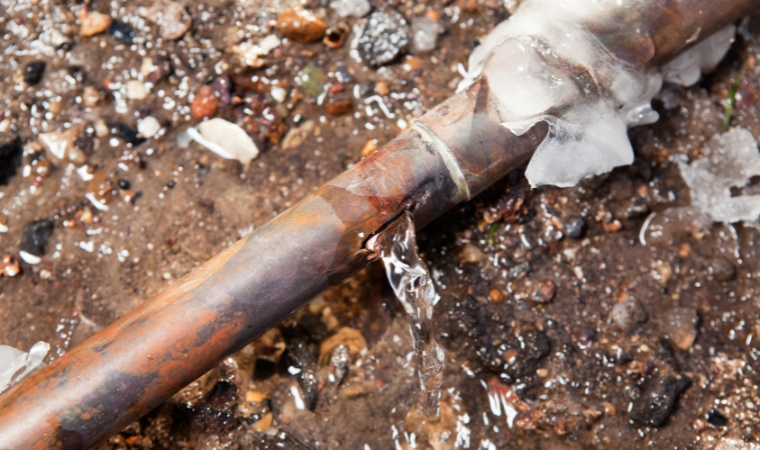
As winter sets in, one of the biggest concerns for homeowners is frozen plumbing. Understanding what happens if water pipes freeze can help you take preventive measures and avoid costly repairs. Frozen pipes can cause significant damage to your home, leading to leaks, water damage, and even structural issues if left unaddressed.
Why Do Pipes Freeze?
Pipes freeze when the temperature around them drops below 32°F (0°C), causing the water inside to solidify. Since water expands as it turns into ice, the frozen water puts immense pressure on the pipe walls. This is especially risky for pipes located in unheated areas such as basements, attics, crawl spaces, or those running along exterior walls.
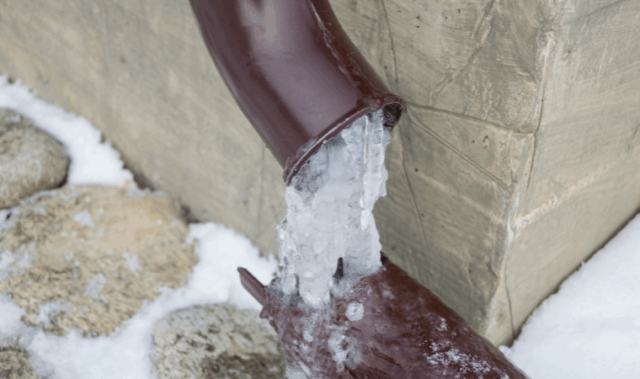
What Happens If Water Pipes Freeze: The Main Consequences
When asking what happens if water pipes freeze, there are several possible outcomes:
1. Blockage of Water Flow
Once a pipe freezes, water flow is either slowed down significantly or completely blocked. This means you won’t have access to running water in sinks, showers, or toilets until the pipe thaws.
2. Increased Pressure Inside the Pipe
As ice expands, it pushes against the inner walls of the pipe. This pressure builds up and often causes cracks or bursts, especially if the pipe is made of weaker materials like copper or PVC.
3. Pipe Bursting and Water Damage
The most serious consequence of frozen pipes is bursting. When the pipe cracks open, once it thaws, water gushes out uncontrollably. A single burst pipe can flood an entire room in minutes, damaging flooring, walls, electrical wiring, and personal belongings.
4. Mold and Structural Problems
After the initial flooding, standing water can seep into walls, ceilings, and flooring. Over time, this leads to mold growth, wood rot, and potential weakening of your home’s structure.
Warning Signs of Frozen Pipes
Knowing the warning signs helps you act quickly before a major issue occurs. Look for:
- No water is coming out of the faucets when turned on
- Frost visible on exposed pipes
- Strange odors coming from drains or faucets
- Bulging or cracking sounds near walls or under sinks
How to Prevent Pipes from Freezing
To avoid asking again what happens if water pipes freeze, it’s important to take preventive measures:
- Insulate Pipes: Use foam pipe insulation or heating tape on pipes in unheated areas.
- Keep a Steady Temperature: Maintain indoor temperatures above 55°F, even when you’re away.
- Let Faucets Drip: Allowing a slow trickle of water through faucets keeps water moving and reduces the chance of freezing.
- Seal Cracks and Openings: Prevent cold air from seeping in near pipes, especially around windows, doors, and foundations.
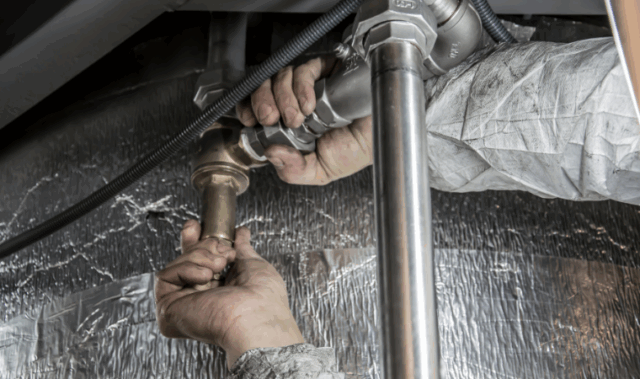
What to Do If Your Pipes Freeze
If you suspect frozen pipes:
- Turn off the main water supply immediately to prevent flooding.
- Open faucets to relieve pressure.
- Use a hair dryer, space heater, or warm towels to slowly thaw the frozen section (never use an open flame).
- Call a plumber if the pipe is inaccessible or if you notice cracks.
Conclusion
Understanding what happens if water pipes freeze is crucial for every homeowner, especially in colder climates. Frozen pipes can block water flow, increase internal pressure, and eventually burst leading to expensive repairs and water damage. By taking preventive measures like insulating pipes and maintaining proper temperatures, you can safeguard your home from winter plumbing disasters.