
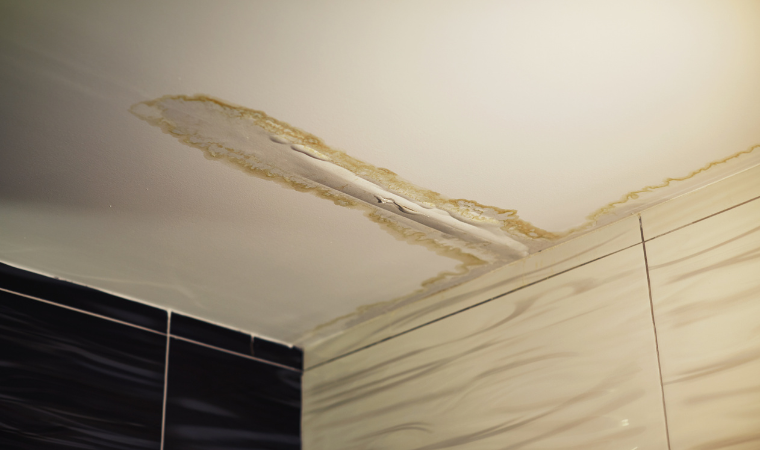
Leakage of the ceiling on the bathroom on the first floor is a major concern that can never be left unattended. Water leakage is accelerated, it undermines structures, and causes expensive repairs in case it is not solved early enough. Be it a drip of water or a startling stain, knowledge of the causes as well as solutions would enable you to take quick action to save your house.
Common Causes of a Ceiling Leak from an Upstairs Bathroom
Water leaking through the ceiling usually points to a plumbing or fixture issue in the bathroom above. The most common causes include:
- Toilet Leaks: A damaged wax ring, loose bolts, or cracks in the toilet base can allow water to seep through to the ceiling below.
- Shower or Tub Leaks: Faulty grout, cracked tiles, or a deteriorated caulking seal around the tub can let water escape into the floor and drip downstairs.
- Sink or Faucet Issues: Leaks from supply lines, drain pipes, or loose connections under the sink often result in hidden water damage.
- Burst or Loose Pipes: A broken pipe inside the wall or floor is one of the most serious causes, often requiring immediate plumbing repair.
- Clogged Drains: Overflow from clogged sinks, showers, or tubs can quickly saturate the ceiling below. Regular drain cleaning services in Mississauga help prevent these types of issues before they cause damage.
Identifying the source early is key to preventing larger structural or mold problems.
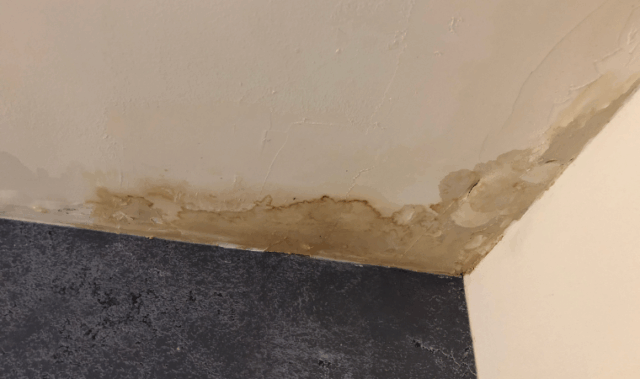
Signs of Water Damage in the Ceiling
When dealing with a ceiling leaking from bathroom Upstairs, pay attention to visible and hidden warning signs:
- Brown or yellow stains on the ceiling.
- Peeling paint or bubbling drywall.
- Persistent musty odors, which may indicate mold growth.
- Sagging or warped ceiling material.
- Active drips of water, especially after using the upstairs bathroom.
Even if the leak seems small, water often travels along joists or walls before dripping through, which means the damage may be worse than it looks.
Steps to Take Immediately
If you notice water leaking fr.om the ceiling:
- Stop Using the Bathroom: Prevent further water from running until the source is confirmed.
- Shut Off the Water Supply: If the leak is significant, turn off water to the bathroom.
- Contain the Water: Place a bucket or container under the drip to collect water and reduce damage.
- Document the Damage: Take photos for insurance purposes before starting repairs.
- Call a Professional: A licensed plumbers in Mississauga can trace the source, repair the leak, and prevent future issues.
Quick action limits structural damage and reduces the risk of mold growth.
Repair Options for a Leaking Ceiling
Fixing a ceiling leak depends on the underlying cause:
- Toilet Seal Replacement: If the wax ring is damaged, a plumber can replace it and reseal the toilet base.
- Re-Caulking and Tile Repair: Damaged grout or seals in showers and tubs should be replaced to stop water seepage.
- Pipe Repair or Replacement: Broken or loose pipes inside walls often require cutting into drywall for access.
- Drywall Replacement: Once the plumbing issue is resolved, damaged ceiling sections may need to be replaced to restore appearance and safety.
- Mold Remediation: If moisture has lingered, professional mold removal may be required.
Preventing Future Leaks
To avoid another ceiling leaking from bathroom upstairs, consider these preventative steps:
- Regularly inspect caulking and grout in showers and tubs.
- Check toilet seals and supply lines annually.
- Avoid overloading drains with hair, soap scum, or debris.
- Schedule routine plumbing inspections.
- Address small drips immediately before they become major leaks.
Final Thoughts
A roof in the bathroom above the ceiling dripping is not a mere inconvenience it may indicate undetected pipe leakages and construction dangers. By being fast and efficient in determining the source and solving the problem along with replacing the damaged ceiling materials, you will save your home. To have long-lasting solutions, it is always best to hire an expert plumber to make sure that they do the repair in the most appropriate and safe way.