
Plumbing systems are designed to carry water smoothly through pipes, but they can’t always handle everything that enters them. When materials or debris disrupt the flow, pipes can clog, leading to slow drains, foul odors, or even serious water damage. Understanding the causes of pipe blockage is essential for homeowners, as it helps prevent expensive repairs and keeps the system running efficiently.
Why Pipe Blockages Are a Serious Problem
A blocked pipe may start as a minor inconvenience, like a slow-draining sink, but it can quickly escalate into larger issues. Standing water increases the risk of mold, while persistent clogs may put pressure on joints, causing leaks. In severe situations, sewage may back up into the home, posing health hazards and requiring emergency plumbing services. Prevention begins with knowing what typically causes these blockages.
Common Causes of Pipe Blockage
1. Grease and Fat Buildup
Cooking oil, butter, and other fats may seem harmless when rinsed down the sink, but they solidify as they cool. Over time, these sticky substances coat the inside of pipes, narrowing the passageway and trapping food particles that pass by.
2. Food Waste
Even with a garbage disposal, foods like coffee grounds, rice, pasta, and eggshells can create plumbing problems. These materials expand or clump together, leading to stubborn clogs in kitchen drains.
3. Hair and Soap Residue
In bathrooms, hair combines with soap scum to form thick, sticky tangles that clog shower, bathtub, and sink drains. These blockages often form just below the drain opening, making them especially common and frustrating.

4. Foreign Objects
Toilets and sinks aren’t designed to handle items like cotton swabs, wipes, sanitary products, or small toys. These items easily become lodged in the pipes, obstructing water flow and sometimes requiring professional removal.
5. Mineral Deposits
In areas with hard water, minerals like calcium and magnesium gradually build up inside pipes. This scaling reduces water pressure and flow, eventually creating blockages that require specialized descaling treatments.
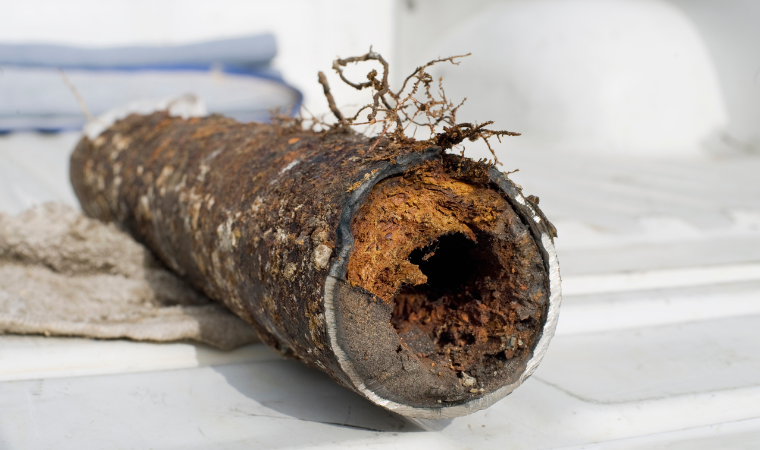
6. Tree Root Intrusion
Outdoor pipes can crack or develop tiny leaks, attracting nearby tree roots in search of water. Once roots enter the pipe, they expand and create severe blockages. This is a common cause of backups in older sewer lines.
7. Structural Problems
Pipes can sag, collapse, or corrode over time. Misaligned or damaged pipes allow debris to collect, leading to repeated blockages no matter how often the line is cleared.
What causes Pipe Blockage in Everyday Life
Many of the biggest issues stem from habits that people don’t realize are harmful. Pouring leftover cooking oil down the sink, flushing so-called “flushable” wipes, or ignoring slow drains are common mistakes. Being mindful of what enters your plumbing system is one of the easiest ways to prevent clogs.
Signs That a Blockage Is Developing
Catching the warning signs early can help you avoid major problems. Look for:
- Water draining slowly from sinks, tubs, or toilets
- Gurgling noises from drains or pipes
- Unpleasant odors near sinks or floor drains
- Water backing up into other fixtures when one is in use
If you notice any of these symptoms, it’s best to address them right away.
How to Prevent Pipe Blockages
While no plumbing system is immune, prevention goes a long way. Here are some effective tips:
- Keep pipes clear by tossing grease in the trash, not the sink.
- Install drain strainers to trap hair and food particles before they cause clogs.
- Keep drains clear by flushing only toilet paper and waste.
- Run hot water weekly to clear light buildup.
- Schedule professional drain cleaning for older systems.
When to Call a Professional
DIY methods like plungers or drain cleaners work for small clogs, but recurring or severe blockages often require professional attention. Plumbers use specialized tools such as drain snakes, hydro-jetting machines, and cameras to locate and clear obstructions effectively.