
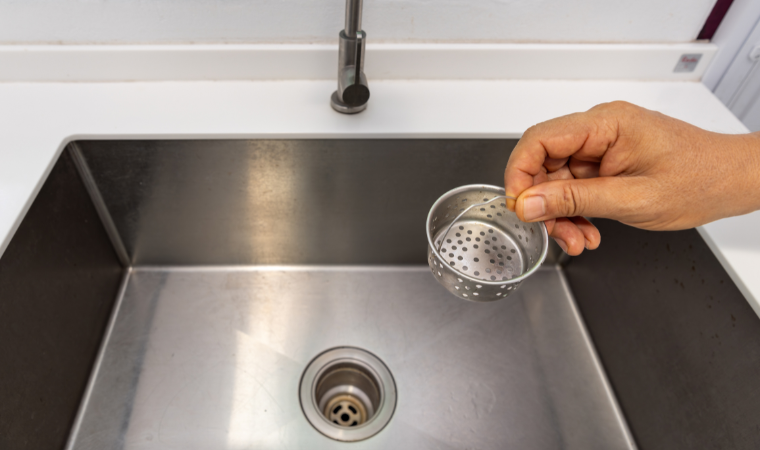
It’s never pleasant to walk into your kitchen or bathroom and be greeted by a foul odor coming from the sink. By learning how to clean smelly sink drain, you’ll restore freshness, improve hygiene, and extend the life of your plumbing. A smelly drain not only affects comfort but also signals a buildup of bacteria, grease, and other debris that needs attention. The good news is that cleaning it is simple with the right steps.
Why Sink Drains Start to Smell
Drains handle dirty water every day, which makes them prone to odor problems. Common causes include:
- Food particles: In kitchens, small bits of food get stuck and begin to rot.
- Grease buildup: Oils and fats cling to pipe walls, attracting bacteria.
- Soap scum: In bathrooms, residue combines with hair to form clogs.
- Stagnant water: Infrequently used sinks allow water to sit and become musty.
- Blocked traps: The P-trap, designed to hold water and block sewer gases, can dry out or collect grime.
Identifying the source helps you choose the best cleaning method.
Supplies You’ll Need
Gathering the right materials ensures an easier and more effective cleaning session. You’ll need:
- Rubber gloves for protection
- Baking soda and white vinegar
- A pot of boiling water
- Dish soap
- An old toothbrush or scrub brush
- A small container for pouring solutions
- Lemon slices or essential oils for optional freshening
These inexpensive supplies are often already in most households.

Step-by-Step Cleaning Process
Here’s a simple routine that works for both kitchen and bathroom sinks:
- Hot Water Flush
Run hot tap water for one to two minutes. This loosens grease and washes away light debris.
- Baking Soda and Vinegar Treatment
Clean the drain by pouring in baking soda mixed with vinegar. The fizzing reaction breaks down organic matter and kills odor-causing bacteria. Let it sit for 10–15 minutes.
- Boiling Water Rinse
Boiling water can be poured into the drain to wash away loosened debris. This also helps kill germs hiding inside the pipe.
- Scrub the Drain Opening
Use a toothbrush dipped in dish soap to scrub the area around the drain cover or stopper. Rinse thoroughly with hot water afterward.
- Optional Freshening
Drop a few lemon slices or essential oil drops into the drain for a natural, lasting scent.
How to Clean aSmelly Sink Drain and Prevent Future Odors
Cleaning once is helpful, but prevention keeps the problem from coming back. Try these tips:
- Avoid spilling fats or cooking oils down the sink; get rid of them in a sealed container.
- Use a sink strainer to catch food pieces and hair before they enter the drain.
- Run boiling water down the drain weekly to clear light buildup.
- Once a month, repeat the baking soda and vinegar method for maintenance.
- For garbage disposals, grind ice cubes and lemon peels to clean and deodorize blades.
By turning these into habits, you’ll rarely need to battle bad smells again.
Extra Cleaning Methods to Try
In stubborn cases, you may need to use stronger treatments:
- Salt and Ice Cubes: Grinding coarse salt and ice in a disposal scrubs residue.
- Enzyme Cleaners: These natural products break down organic matter without harsh chemicals.
- Diluted Bleach: Blend one tablespoon of bleach with a quart of water, pour slowly into the drain, let sit briefly, then flush with water. (Use sparingly to protect pipes.)
These alternatives are especially helpful when standard methods don’t fully remove the smell.

When to Call a Plumber
Sometimes odors signal a deeper plumbing issue that DIY solutions can’t fix. Call a professional if you notice:
- Persistent smells even after repeated cleaning
- Slow drainage that doesn’t improve
- Gurgling noises or bubbling water
- Strong sewage odors throughout the home
A plumber can inspect for blocked pipes, leaks, or main sewer line problems that require specialized tools.