
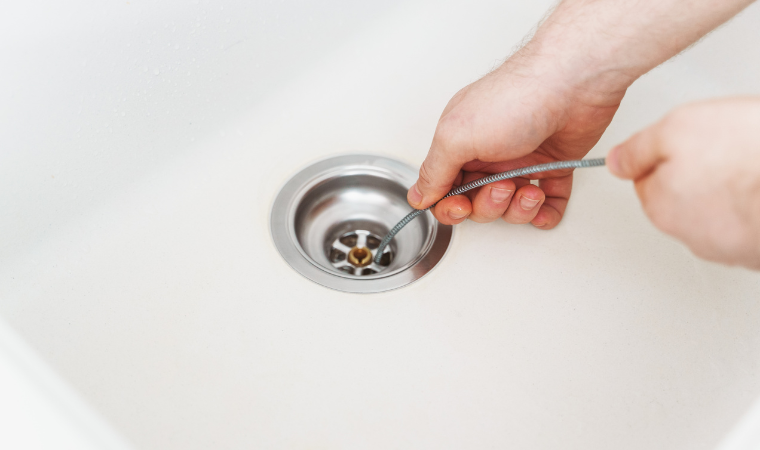
A blocked basement floor drain can lead to major issues, including standing water and even flooding and the damage this may cause. Learning basics of snaking basement floor drain can be helpful to homeowners who would like to manage minor clogs at their home by themselves without seeking the help of a plumber. Snaking is a highly preferred way of cleaning up garbage, grease accumulation, or other deposits that make your drain system unable to drain. Here is the step-by-step guideline to assist you in clearing your basement drain and allowing the flow of water.
Why Basement Floor Drains Get Clogged
Before you start snaking, it helps to understand what usually causes clogs. Basement floor drains are often connected to the main sewer line or a sump system, so they can collect all kinds of debris. Common culprits include:
- Dirt, dust, and household debris washed into the drain
- Soap scum, grease, or laundry residue
- Hair or lint from laundry appliances
- Tree roots intruding into older drain pipes
- Sediment or mineral buildup
Identifying the likely cause can help you decide if snaking is the right solution or if you may need professional help.

Tools You’ll Need
To properly snake a basement drain, you’ll need a few basic tools:
- Plumber’s snake (drain auger): Available in manual or powered versions.
- Bucket and towels: For managing water spills.
- Rubber gloves: To protect your hands.
- Drain cover removal tool or screwdriver: To lift the grate.
- Flashlight: To see inside the drain opening.
Step-by-Step: How to Snake a Basement Floor Drain
- Prepare the Area
Before you begin, clear the area around the floor drain. Remove any objects or stored items that could get wet. Place a few towels or rags nearby and have a bucket handy in case dirty water backs up when you start working.
- Remove the Drain Cover
Most basement floor drains are covered with a metal or plastic grate. Use a screwdriver or wrench (depending on the type of cover) to remove it. Clean off any surface dirt or debris before proceeding.
- Insert the Snake
Put on your gloves and carefully feed the end of the plumber’s snake into the drain opening. Slowly push the snake forward while turning the handle. This twisting motion helps the auger work its way around bends and grab debris inside the pipe.
- Break Through the Clog
Once you feel resistance, you’ve likely reached the clog. Rotate the snake back and forth while applying gentle forward pressure. The auger head should either break apart the blockage or latch onto it so you can pull it back out.
- Flush the Drain
After you’ve snaked the drain and removed debris, pour a bucket of hot water down the pipe to flush away any loosened material. If the water flows smoothly, your job is done. If it still drains slowly, repeat the snaking process until the line is clear.
- Replace the Drain Cover
Once the drain is flowing properly again, clean the grate and screw it back into place.

When to Call a Professional
While snaking works for most minor to moderate clogs, some blockages may require professional help. If you notice repeated backups, foul odors, or water seeping into the basement, it could indicate a deeper problem such as tree root intrusion or sewer line damage. In such cases, it’s best to contact a licensed plumber.
Preventing Future Clogs
To avoid frequent snaking, adopt a few preventive habits:
- Sweep or vacuum basement floors regularly to reduce debris entering the drain.
- Use a drain cover or strainer to catch hair, lint, and dirt.
- Avoid pouring grease, oil, or harsh chemicals down any household drains.
- Flush the drain occasionally with hot water or a mixture of vinegar and baking soda.
Final Thoughts
Knowing how to snake a basement floor drain can save you time, money, and stress. By following the steps above, you can clear most minor clogs on your own and keep your basement safe from water damage. However, if the clog persists or your drain backs up frequently, don’t hesitate to call a professional to inspect your plumbing system for more serious issues.