
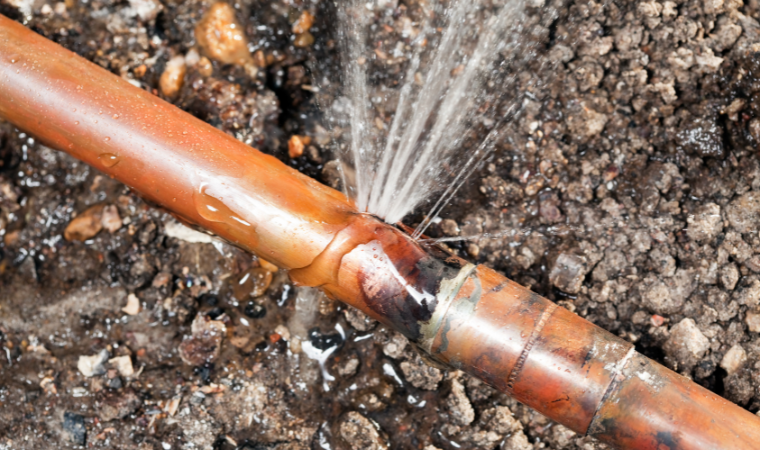
Discovering an underground water leak can be tricky since it often shows few visible signs on the surface. Left unaddressed, however, such leaks can lead to high utility bills, property damage, and even structural issues. Knowing how to locate underground water leaks helps you take early action, whether you plan to fix the problem yourself or call a professional plumber.
Signs You May Have an Underground Water Leak
Before learning how to locate underground water leak, it’s important to recognize the warning signals. Common signs include:
- Unexpectedly high water bills without an increase in usage.
- Wet or soggy patches in your yard, even during dry weather.
- Unusual sounds, like hissing or bubbling, coming from underground.
- Cracks in pavement or foundation walls, caused by shifting soil.
- Reduced water pressure throughout your home.
If you notice one or more of these issues, it’s time to start investigating.

Step 1: Check the Water Meter
The easiest way to confirm a hidden leak is by checking your water meter. Shut off all water inside the house and observe the meter reading. If the meter continues to move, even when no water is in use, you likely have a leak. This first step gives you confirmation before digging deeper.
Step 2: Inspect the Yard
When learning how to locate underground water leak, pay close attention to your outdoor spaces. Walk around your yard and look for unusually wet spots, greener patches of grass, or areas where the soil seems soft and unstable. These are often clear indicators that water is escaping below the ground.
Step 3: Listen for Water Flow
In some cases, you may actually hear the leak. Stand close to areas where you suspect a problem and listen carefully for gurgling or hissing sounds beneath the ground. At night, when surrounding noise is minimal, this method can be particularly effective.
Step 4: Use Food Coloring in Toilets and Fixtures
Sometimes what appears to be an underground leak may come from hidden plumbing lines inside the home. To rule this out, add food coloring to your toilet tanks and faucets, then wait 15–20 minutes. If color appears in the bowl or drain without flushing, the leak may not be underground but inside your plumbing system.
Step 5: Professional Leak Detection Tools
For more accurate results, professional plumbers use specialized tools, such as:
- Acoustic listening devices to pinpoint the sound of escaping water.
- Soil probes to check moisture levels underground.
- Infrared cameras to identify temperature differences caused by leaks.
While DIY methods can provide clues, these tools make it far easier to find the exact source without unnecessary digging.
Step 6: Call a Professional
If you cannot confidently identify the leak’s location, it’s best to call in a professional. Underground water leaks can cause significant structural damage if left untreated. A licensed plumber can locate the problem with precision and recommend whether you need pipe repair, replacement, or relining.

Preventing Future Underground Leaks
Once you’ve resolved the issue, consider these preventive measures:
- Regularly inspect your water meter for unusual activity.
- Replace old or corroded pipes before they fail.
- Avoid planting trees or shrubs directly above underground water lines.
- Schedule periodic plumbing inspections, especially in older homes.
Final Thoughts
Learning how to locate underground water leak is an essential homeowner skill. By checking your water meter, inspecting your yard, listening for unusual sounds, and using professional services, when necessary, you can identify leaks early and prevent costly damage. Timely action not only saves water but also protects your property’s foundation and landscape.