
For homes with basements or areas at risk of flooding, a sump pump is a critical line of defense against water damage. This device removes excess water from the sump pit and directs it safely away from the foundation. Like any mechanical system, it requires regular care to keep working properly. Without upkeep, a sump pump can fail at the worst possible moment. That’s why understanding sump pump maintenance is so important for protecting your home.
Why Sump Pumps Matter
A sump pump prevents costly water damage by keeping your basement dry. When heavy rain, melting snow, or rising groundwater fills the sump pit, the pump activates automatically. It pushes water through a discharge pipe to a safe location outside. Without a functioning pump, basements can flood quickly, leading to mold growth, structural damage, and ruined belongings.
Signs Your Sump Pump Needs Attention
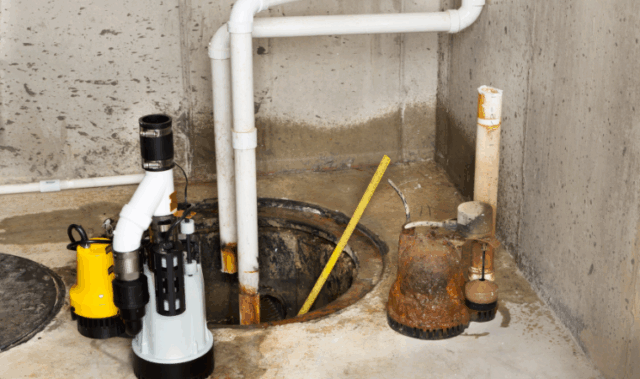
It’s easy to overlook a sump pump because it sits quietly in a pit most of the time. However, certain warning signs indicate trouble:
- Strange noises such as grinding or rattling.
- Pump running constantly, even in dry conditions.
- Visible rust or corrosion on the pump housing.
- Vibrations when the pump is running.
- Basement dampness or minor flooding during storms.
Spotting these early helps you take action before the pump fails completely.
Routine Sump Pump Maintenance Checklist
Test the Pump Regularly
Test the system by pouring a bucket of water into the sump pit. The pump should switch on automatically, drain the water, and shut off when the pit is empty. If it doesn’t, service or replacement may be necessary.
Clean the Sump Pit
Dirt, gravel, and debris can clog the pump or block the float switch. Remove loose particles from the pit every few months to ensure smooth operation.
Inspect the Power Supply
A sump pump runs on electricity, so check the power cord for damage. Make sure the pump is plugged into a GFCI outlet. For extra protection, consider using a dedicated circuit.
Check the Float Switch
The float switch signals the pump when it should turn on and off. If it gets stuck or tangled, the pump won’t activate properly. Test it during your water-bucket test.
Examine the Discharge Line
Walk outside and check the pipe that carries water away. Ensure it’s free of obstructions like dirt, ice, or small animals. The discharge point should be several feet away from the foundation.
Lubricate and Inspect the Pump (If Applicable)
Some models require oiling or lubrication of moving parts. Consult your manufacturer’s instructions to see if this applies to your pump.
Sump Pump Maintenance for Long-Term Reliability
Beyond regular inspections, a few additional steps can extend your pump’s lifespan:
- Install a backup battery system so the pump works during power outages.
- Schedule annual professional inspections to catch problems you might miss.
- Replace the pump proactively every 7–10 years, depending on use and condition.
- Keep the pit covered to reduce debris falling inside.
These habits ensure your pump is ready whenever you need it.
Common Problems Caused by Neglected Maintenance
Ignoring routine care can lead to serious issues:
- Clogged intake or discharge lines reduce efficiency.
- Burned-out motors from constant running shorten lifespan.
- Stuck float switches prevent the pump from activating.
- Frozen or blocked discharge pipes cause water to back up into the basement.
All of these problems can usually be avoided with consistent upkeep.
When to Call a Professional
While basic care can be handled by most homeowners, certain situations require expert help. Call a plumber or sump pump specialist if you notice:
- Frequent motor failure or tripped breakers.
- Persistent basement dampness despite the pump running.
- Loud grinding noises indicating possible impeller damage.
- A pump older than a decade that struggles during storms.
A professional can test pump capacity, replace worn parts, and advise whether a new unit is necessary.